


Oysters
Raw with a splash of lemon, grilled, or served as part of a dish: oysters have become an integral part of Zeeland. Yerseke, in particular, has close ties to oyster farming. Oysters have been farmed around the Oosterschelde and Lake Grevelingen for generations.
But not all Zeeland oysters are the same. There are two main varieties you’ll find here: the Zeeland flat oyster and the creuse.
Flat oyster and creuse
The Zeeland flat oyster is the original European oyster. You can recognize it by its fairly round, flat shell. This species grows slowly and is currently farmed and harvested in places such as Lake Greveling.
The creuse, also known as the Japanese oyster, has a more irregular and deeper shell. This oyster grows faster and is now abundant in the Oosterschelde.
The two also differ in taste and texture. The flat oyster has a slightly sweet, briny flavor with a nutty aftertaste. The Zeeland creuse tastes fresh and briny and has plenty of meat with a firm bite. Try tasting them side by side and see which one you like best.
How are oysters farmed?
An oyster's life begins as a tiny larva floating in the water. Eventually, it seeks out a hard surface to attach itself to. Then the young oyster begins to grow.
Oyster farmers use this natural process to collect young oysters and raise them further. The oysters are then raised in suitable farming areas. Ittakes several years for an oyster to grow large enough to eat.
Near Wemeldinge, you’ll find traces of oyster farming. Along the dike toward Kattendijke lie the remains of old oyster beds. Oysters used to be farmed here. During the harsh winter of 1962–1963, most of the oysters died. This brought an end to oyster farming in this area. At low tide, you can still see the remains. Water remains in the pits, which are now home to all kinds of plants and animals from the Oosterschelde.
Oysters on roof tiles
Oyster farming around Yerseke began to flourish around 1870. One of the most notable techniques from that period was the use of lime-washed roof tiles.
Large numbers of roof tiles were coated with lime and placed in the water. Oyster larvae swimming around were able to attach themselves to the surface. Later, the young oysters were carefully removed from the tiles and raised further.
It’s a great example of the ingenuity of Zeeland’s oyster farmers. You’ll find more of this history at the historic oyster beds in Yerseke.
An industry with its ups and downs
Oyster farming brought great prosperity to Yerseke at the end of the nineteenth century, but the town also experienced difficult periods. The harsh winter of 1862–1863 caused extensive damage to the oyster population. Later, the flat oyster also had to contend with diseases. The creuse oyster proved to be more resilient to these conditions and consequently gained an increasingly prominent role within Zeeland’s oyster industry. Today, both types of oysters are still eaten and farmed.
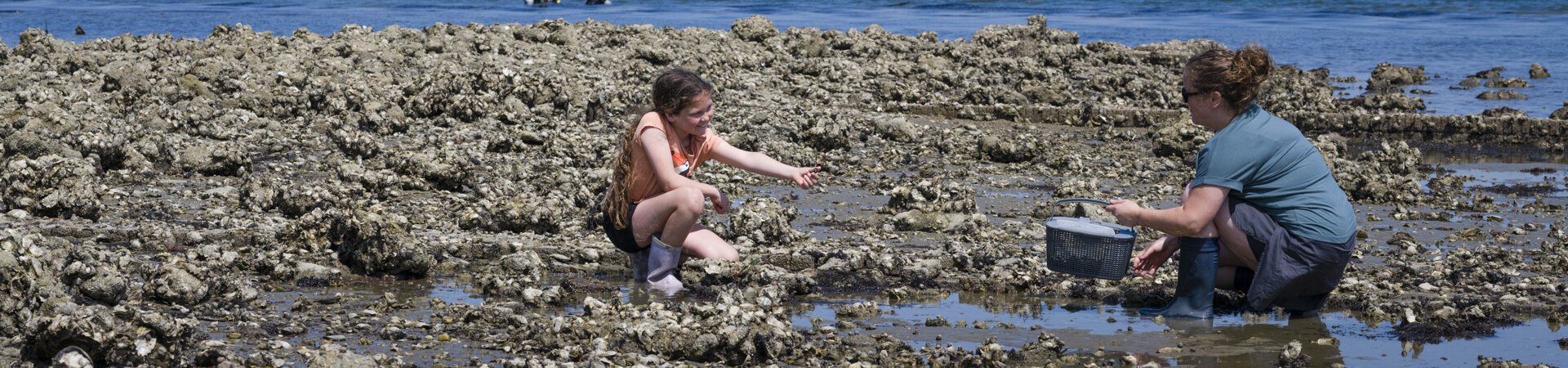
Gathering Oysters Yourself
Would you like to go out and find some tasty treats from the Oosterschelde yourself? You’re allowed to gather shellfish for personal use at various spots along the coast. The best time to gather oysters is two hours before and two hours after low tide. At high tide, the shellfish disappear underwater and you won’t be able to find them anymore. While gathering, keep a close eye on the tide and the weather. That way, you won’t be caught off guard by the rising water. You may gather up to 10 kg, for personal use only.
Check in advance where you’re allowed to forage, how much you can take, and when low tide is. Wear sturdy shoes: oyster shells are sharp, and rocks and mudflats can be slippery.
Try them for yourself
The easiest way to discover the difference between Zeeland oysters is, of course, to taste them. Around the oyster beds and harbors of Yerseke, you’ll find several places where you can enjoy fresh oysters and other shellfish.
Combine the tasting with a walk past the historic oyster beds and the harbor. See what there is to do in Yerseke, the mussel and oyster village.

