The Oosterschelde is the largest and wettest national park in the Netherlands. Here, the tides shape the landscape. At low tide, mudflats and sandbars are exposed, and birds flock there in droves in search of food. A few hours later, the same area is submerged again. Along the shores, dikes, salt marshes, and creeks reveal how closely Zeeland has been connected to the sea for centuries.
In the municipality of Kapelle, you can experience this landscape especially around Wemeldinge. From the dike, you can look far out over the water, watch ships sail by, and, with a little luck, spot a porpoise or a seal.
The tides shape the landscape
Twice a day, approximately 800 billion liters of saltwater flows in and out of the area through the Oosterschelde Storm Surge Barrier. As a result, the Oosterschelde looks different throughout the day.
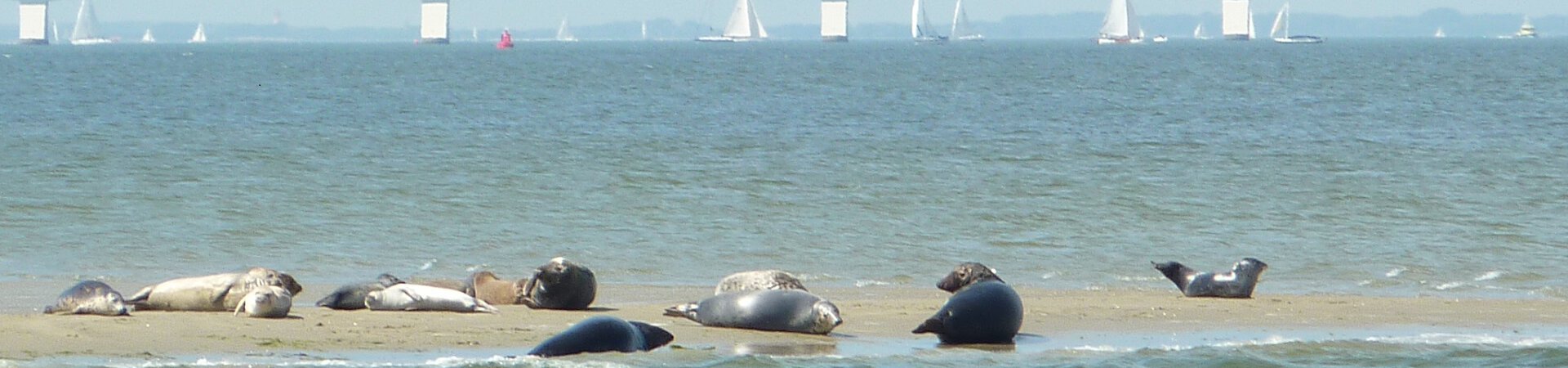
At low tide, mudflats and sandbars emerge from the water. The seabed is home to worms, shellfish, and small crustaceans. These are an important food source for birds such as oystercatchers, avocets, and spoonbills. Seals use the exposed sandbars to rest.
There are also salt marshes along the coast. These areas of land are flooded only during very high tides. Plants that can tolerate salt well, such as glasswort, sea lavender, and sea aster, grow here.


Discover Oosterschelde National Park
There are many ways to experience the Oosterschelde. Take a walk along the dikes around Wemeldinge, hop on a bike for a ride along the water, or head out onto the Oosterschelde yourself on a sailboat, kayak, or stand-up paddleboard.
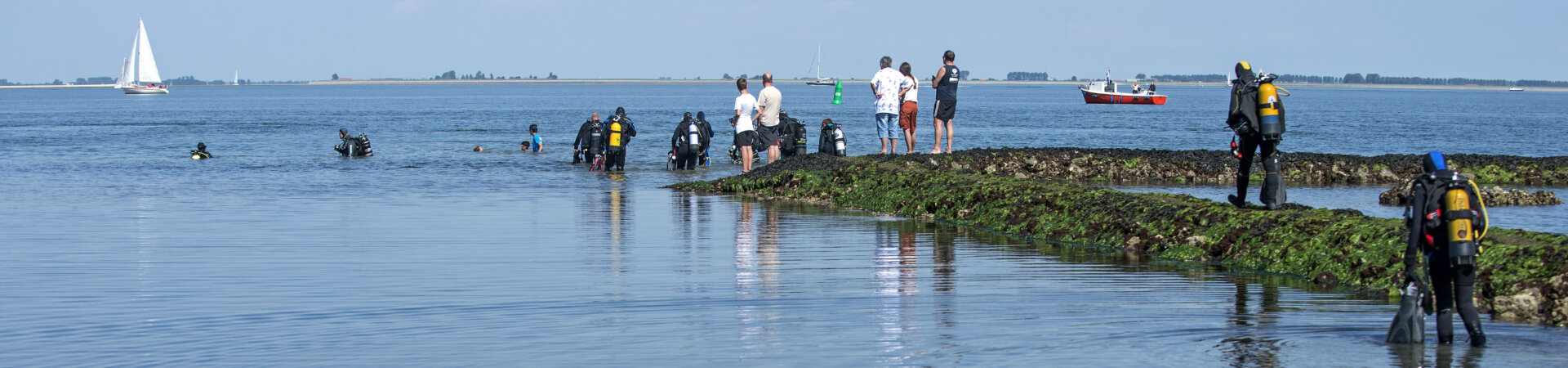
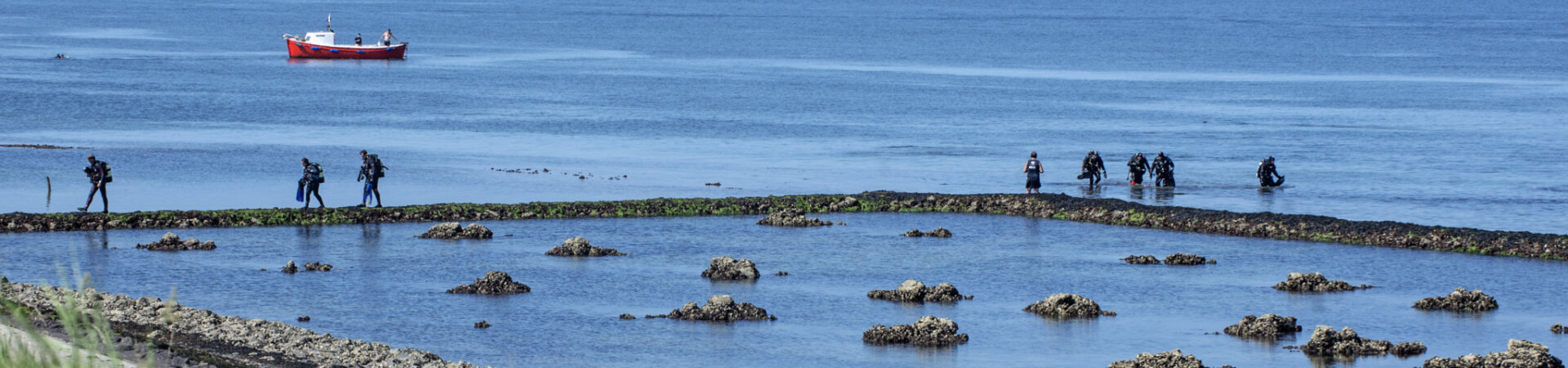
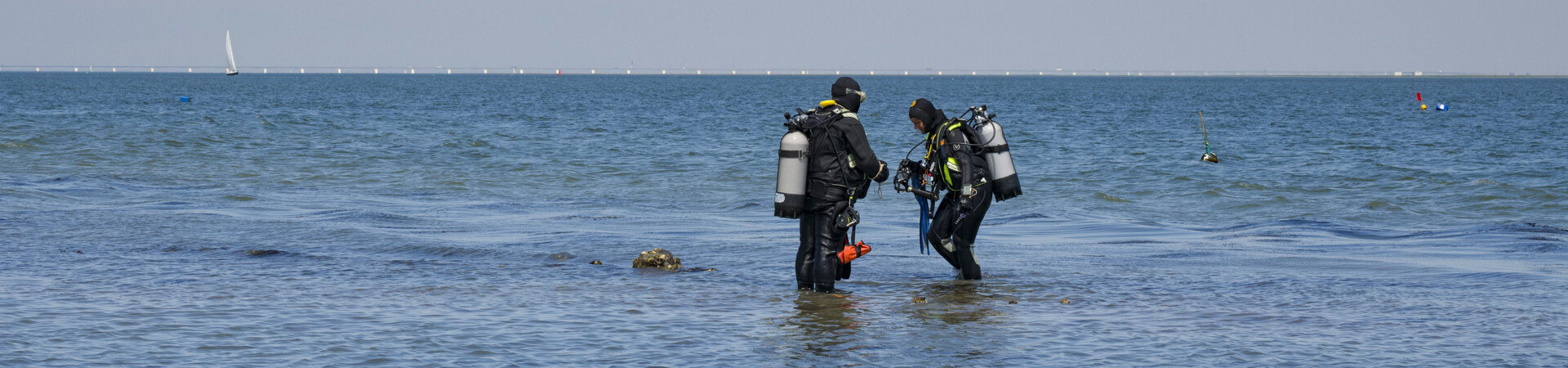
There’s plenty to see underwater, too. The Oosterschelde is a popular spot for divers because of its clear water and wide variety of plants and animals. Young fish and countless other marine creatures live among oysters, mussels, sea anemones, sponges, and seaweed. Wemeldinge is known as a five-star diving hotspot in the Oosterschelde and is one of the best places to discover this underwater life for yourself.
Would you rather stay on the shore? At the beaches of Wemeldinge, you can swim, sunbathe, and gaze out over the water. Bring a pair of binoculars, because porpoises sometimes show up just off the coast. Seals regularly rest on sandbars further out. At low tide, the tidal pools along the coast are a great place to discover what lives in the water, from small fish to crabs and shrimp.
At the information points De Duikbril and 't Schip, you can learn more about life in the Oosterschelde, shipping, and the influence of the tides.
Give nature some space
Oosterschelde National Park is a protected Natura 2000 site. Birds use the area to nest, forage, and rest during long migrations. Seals also need quiet places to rest.
Therefore, please stay on the marked trails, keep dogs on a leash where required, and maintain a safe distance from birds and seals. Some areas are temporarily closed or off-limits to allow nature to rest.
Practical information
From the town of Kapelle, Wemeldinge is a good starting point for a visit to Oosterschelde National Park. There are several parking lots around the marina, the boardwalk, and the beaches. From there, you can walk straight to the dike and the water.
Before you go, be sure to check the current tide times. At low tide, the mudflats and sandbars are clearly visible, and you’ll often see many birds foraging for food. At high tide, the area takes on a completely different appearance.
For more information about the National Park, visit the Oosterschelde National Park website.